

Article Overview
Studying in Europe does not have to be expensive. Italy, Hungary and Germany are three of the most affordable options for Pakistani students who want a European degree, especially with public universities and scholarships. This guide compares them so you can choose the best fit.
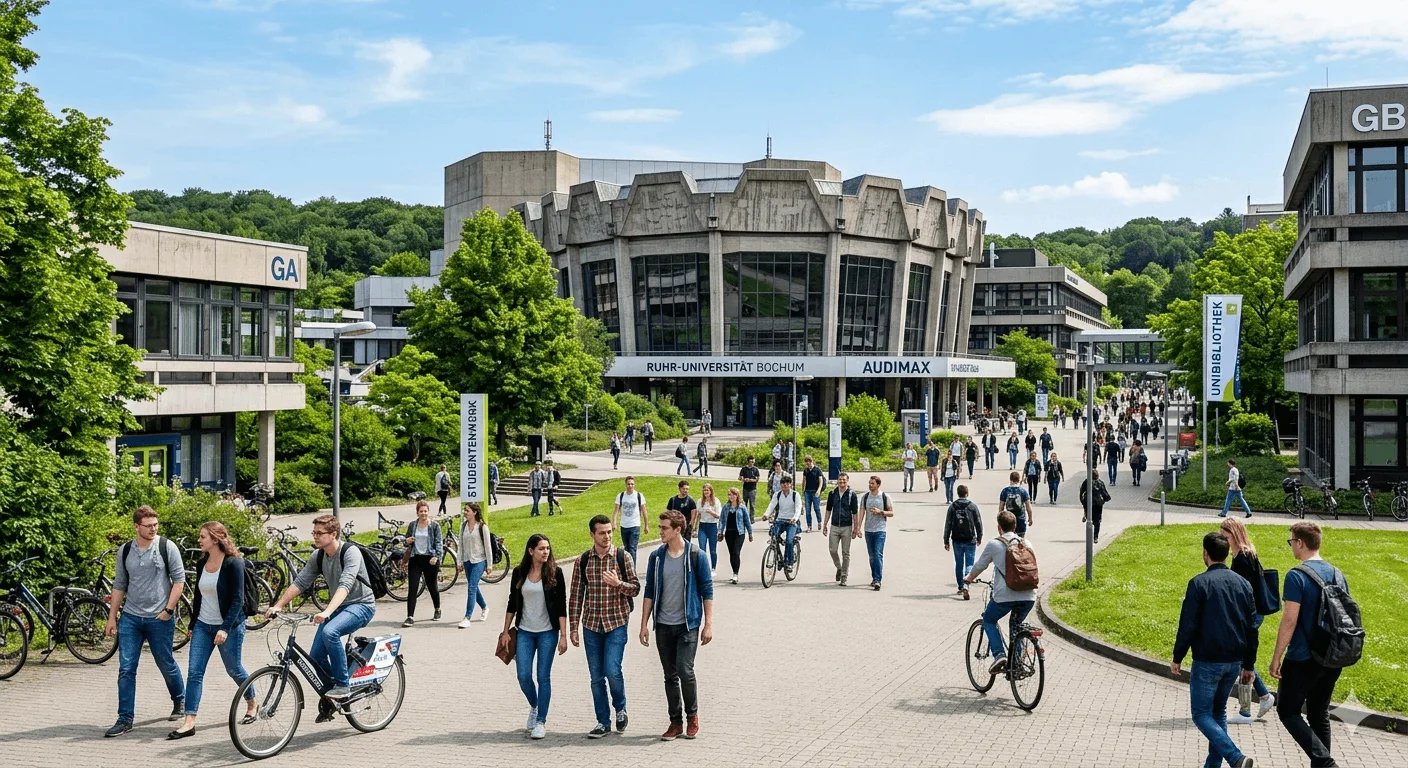
Germany: low tuition, strong for engineering
- Tuition: most public universities charge little or no tuition for most programmes, apart from semester fees. Some states charge fees for non-EU students.
- Living costs: you must show about €992 a month, usually through a blocked account.
- Language: many master's programmes in English; most bachelor's programmes in German.
- Strengths: engineering, technology and research, and a large job market after graduation.
See our guide to the German student visa and blocked account.
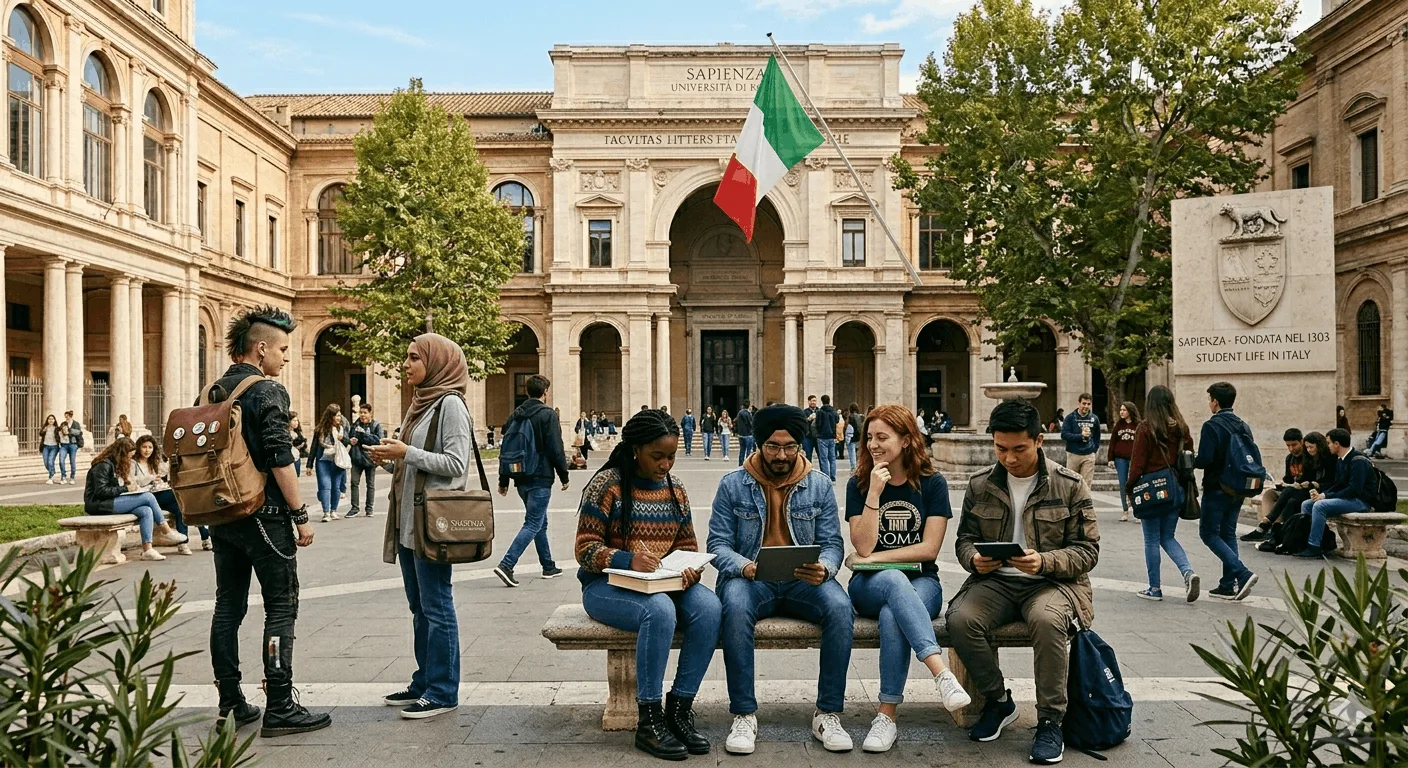
Italy: affordable public universities and regional scholarships
- Tuition: public universities often charge fees based on family income, which can be low for students from Pakistan.
- Scholarships: regional scholarships for students with limited family income can cover tuition and part of living costs, and may include accommodation and meals.
- Language: a growing number of English-taught bachelor's and master's programmes.
- Strengths: architecture, design, engineering, medicine and business.
Hungary: scholarships and medical programmes
- Tuition: moderate fees compared with Western Europe.
- Scholarships: the Stipendium Hungaricum programme offers scholarships covering tuition and a monthly stipend for students from partner countries, including Pakistan.
- Living costs: lower than in Germany or Italy's larger cities.
- Strengths: medicine, dentistry, pharmacy and engineering, often taught in English.
Quick comparison
- Lowest tuition: Germany (public universities).
- Best scholarship access: Hungary (Stipendium Hungaricum) and Italy (regional scholarships).
- Lowest living costs: Hungary.
- English-taught choice: good in all three, especially at master's level.
- Job market after study: strongest in Germany.
Visa basics
All three are in the Schengen area, and students from Pakistan need a national (D) study visa followed by a residence permit after arrival. Each country requires proof of admission, proof of funds, health insurance and accommodation details. Requirements for funds and documents differ, so check each embassy's checklist.
Planning your budget
Make a simple budget for each option including tuition, rent, food, transport, health insurance, visa fees and flights. Scholarships can change the picture completely, so research deadlines early, often a year before the course starts.
How ZANS Consultants can help
We help you compare programmes and scholarships, prepare applications and complete the student visa process. Learn more about our Italy, Hungary and Germany student visa services, or book a consultation.
General information only: tuition, scholarships and visa requirements change. Check the universities' and embassies' current information before applying. Each country's authorities make the final decision on every application.