
Article Overview
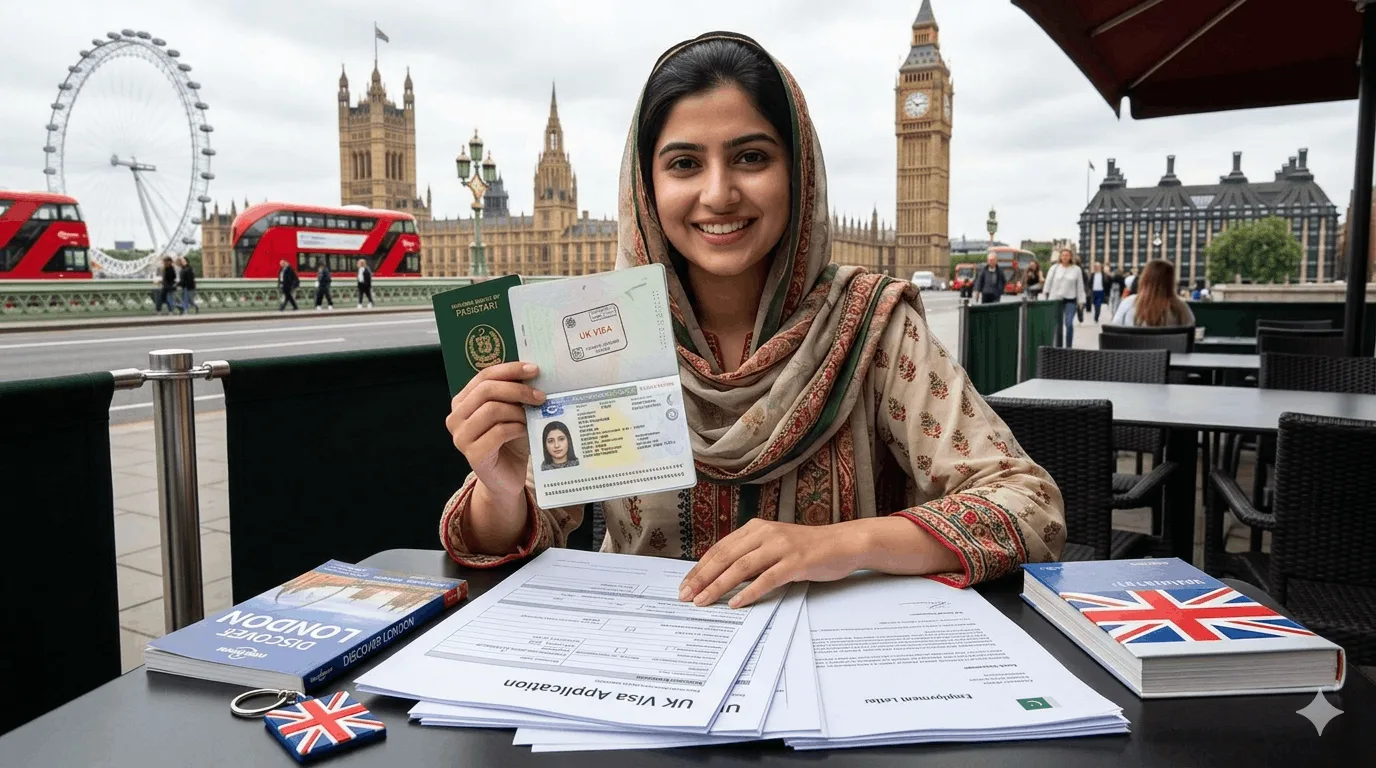
A UK Standard Visitor visa lets you visit the UK for up to six months for tourism, family visits, business meetings and some other permitted activities. Pakistani nationals must apply for this visa before travelling. The Home Office does not publish a fixed checklist that leads to approval; instead, an officer judges whether you are a genuine visitor who will leave at the end of the trip and can pay for it. This guide explains what that means in practice.
What the Home Office is looking for
Every visitor application is assessed against the same questions:
- Genuine purpose: is the reason for the visit clear, believable and allowed under the visitor rules?
- Intention to leave: do you have strong reasons to return to Pakistan, such as a job, business, family or studies?
- Funds: can you pay for the trip yourself, or does a sponsor in the UK have the means and a real connection to you?
- Immigration history: have you complied with visa conditions in the UK and other countries before?
Document checklist
The exact documents depend on your situation, but most applicants from Pakistan provide:
- a valid passport and any previous passports with visas;
- bank statements for the last six months, preferably with stamped or verifiable bank letters;
- proof of employment: an employer letter with your role, salary and approved leave, plus recent salary slips;
- for business owners: business registration (SECP or NTN), tax returns and business bank statements;
- for students: an enrolment letter and leave approval from the institution;
- proof of family ties, such as a family registration certificate (FRC), marriage certificate or children's school letters;
- a travel plan and, if staying with family or friends, an invitation letter with their status and address in the UK;
- English translations of any documents in Urdu or another language.
You do not need to buy flight tickets before the decision. A provisional itinerary is enough.
How much bank balance do I need?
There is no official minimum balance for a UK visit visa. The officer looks at whether your funds are realistic for the trip and consistent with your income. Three points matter more than the final figure:
- Source of funds: regular salary or business income is stronger than a large sum with no explanation.
- No sudden deposits: a large deposit shortly before applying, without evidence of where it came from, is a common reason for refusal.
- Proportion: the cost of the trip should be a reasonable share of your savings, not all of it.
If a relative in the UK is paying, include their bank statements, proof of their immigration status and an explanation of your relationship.
Showing strong ties to Pakistan
Ties are your reasons to come back. Evidence of a permanent job, a running business, property, a spouse and children in Pakistan, or ongoing studies all help. Applicants with few ties, such as recent graduates without a job, should explain their circumstances clearly and keep the trip short and well planned.
Step-by-step application
- Complete the online application on GOV.UK and pay the fee.
- Book an appointment at a VFS Global centre in Islamabad, Lahore, Karachi or Mirpur.
- Upload your documents or bring them to the appointment, as instructed.
- Give your fingerprints and photo at the centre.
- Wait for the decision, which usually takes about three weeks; priority services may be available for an extra fee.
Check the current fee on GOV.UK before applying, because visa fees usually change each April.
What you can and cannot do as a visitor
As a visitor you can see family and friends, travel as a tourist, attend business meetings and conferences, and receive private medical treatment if you can pay for it. You cannot work for a UK employer, live in the UK through frequent or long visits, or switch to another visa from inside the UK.
Common reasons for refusal
- Funds that are unexplained, borrowed or deposited just before applying.
- Weak or unclear evidence of employment or business.
- An unclear purpose, or a trip length that does not match the stated purpose.
- Inconsistencies between the form, the documents and the invitation letter.
- Not mentioning previous refusals from the UK or other countries.
If you have been refused, read the refusal letter carefully. A new application should answer each point raised, not simply repeat the same documents.
How ZANS Consultants can help
We review your documents before you apply, point out gaps and help you present your purpose and ties clearly. Learn more about our UK Visitor Visa service, or book a consultation with our team in Karachi, Dubai or London.
General information only: visitor rules and fees change. Check the current GOV.UK guidance before you apply. The Home Office makes the final decision on every application.